
Author: Millermarker

The Benefits of Hiring Professional Cleaning Services: Making Life Easier, One Clean at a TimeThe Benefits of Hiring Professional Cleaning Services: Making Life Easier, One Clean at a Time

In today’s fast-paced world, it can be hard to find time to keep our homes or workplaces clean. With our ever-increasing workloads and busy schedules, cleaning tasks often take a backseat. However, cleanliness is essential for our well-being, and maintaining a clean and organized space contributes to better health, higher productivity, and a greater sense of comfort. That’s where professional 清洗浴室寶 come into play.

Hiring professional cleaners may seem like a luxury, but it is becoming more of a necessity for individuals and businesses alike. From residential cleaning to office upkeep, these services can help create a healthy environment and bring peace of mind. In this article, we’ll explore why more people are turning to professional cleaning services and the benefits of making the switch.

Why More People Are Opting for Professional Cleaning Services

In the past, cleaning was often seen as a chore that could be managed on weekends or during free time. But, as lifestyles have become busier, people are seeking more convenient and effective ways to keep their homes and businesses clean. Below are several reasons why professional cleaning services are becoming increasingly popular:

  1. Time-Saving Convenience

    One of the most significant benefits of hiring professional cleaning services is the time it saves. People often juggle multiple responsibilities, including work, family, and social activities. Finding the time to clean, especially if your space is large or has accumulated a lot of dirt and clutter, can be a challenge. By outsourcing the cleaning, you can free up your time for more enjoyable and important activities, like spending quality time with family, focusing on your career, or simply relaxing.

  2. Expertise and High-Quality Results

    Professional cleaning services are staffed with experienced, trained personnel who know how to clean effectively and efficiently. They are equipped with the best tools and products to handle various cleaning tasks. Whether it's deep cleaning carpets, sanitizing high-touch surfaces, or washing windows, they deliver results that are far superior to the typical DIY cleaning. Cleaning professionals are skilled at tackling even the most difficult or overlooked areas, ensuring your space is spotless.

  3. Health and Hygiene

    A clean home or office is essential for maintaining good health. Dust, dirt, bacteria, and allergens can accumulate over time, leading to respiratory issues, allergies, and even infections. Regular cleaning helps reduce the buildup of harmful substances and creates a healthier living or working environment. Professional cleaners use high-grade disinfectants and cleaning methods to sanitize surfaces and remove bacteria, mold, and germs, ensuring your space is hygienic and safe.

  4. Consistency and Reliability

    With a professional cleaning service, you can expect consistent and reliable results every time. Most cleaning companies offer flexible scheduling options, allowing you to arrange for weekly, bi-weekly, or monthly cleaning sessions. This consistency helps maintain a clean and organized environment without the stress of trying to keep up with chores on your own. Professional cleaners adhere to a schedule, so you can rest assured that your space will be cleaned regularly and with the same level of care each time.

  5. Increased Productivity and Focus

    Whether at home or in the office, clutter and a dirty environment can significantly impact your ability to focus. A messy and disorganized space can cause stress and distraction, making it difficult to think clearly or be productive. When your home or office is clean, you are more likely to be in a positive mood, and your ability to concentrate increases. For businesses, maintaining a clean office not only promotes higher productivity but also creates a more welcoming and professional atmosphere for clients and employees.

  6. Cost-Effective in the Long Run

    While paying for professional cleaning services may seem like an extra expense, it can actually save you money over time. Regular cleaning helps preserve the condition of your furniture, carpets, and appliances. For example, deep cleaning your carpets can prolong their life and prevent costly replacements. Similarly, cleaning your windows regularly can prevent the buildup of grime, which can damage surfaces. In addition, investing in professional cleaners can save you from the hassle of purchasing and storing expensive cleaning equipment and products.

  7. Tailored Cleaning Plans

    Professional cleaning services offer flexible cleaning plans that can be customized to meet your specific needs. Whether you need routine cleaning, one-time deep cleaning, or specialized services like carpet cleaning, window washing, or organizing, there is a cleaning solution for everyone. By working with a professional cleaning company, you can ensure that the services provided match your personal preferences and space requirements.

Types of Professional Cleaning Services Available

Professional cleaning services come in many forms, each tailored to different needs and situations. Here are some common types of cleaning services that can help you maintain a clean, healthy, and organized space:

  1. Residential Cleaning

    Residential cleaning services are designed to clean homes, apartments, and other living spaces. Services typically include tasks such as dusting, vacuuming, mopping, cleaning bathrooms, and wiping down surfaces. For those with busy schedules or large homes, residential cleaning is a convenient way to keep your living space neat and tidy without lifting a finger.

  2. Commercial Cleaning

    Commercial cleaning services cater to offices, stores, and other business establishments. These services typically focus on keeping the workplace clean and sanitary, including dusting, cleaning floors, sanitizing bathrooms, and maintaining high-traffic areas. A clean office creates a positive impression on clients and customers while also providing a healthier and more productive environment for employees.

  3. Deep Cleaning

    Deep cleaning is an intensive cleaning process that goes beyond routine cleaning. It involves scrubbing and cleaning areas that are often neglected during regular cleaning, such as baseboards, behind furniture, and inside kitchen appliances. Deep cleaning is often recommended when moving into a new home, preparing for a special event, or giving your space a thorough refresh.

  4. Post-Construction Cleaning

    After construction or renovation work, cleaning is essential to remove dust, debris, and other materials left behind. Post-construction cleaning services ensure that the space is safe, clean, and ready for occupancy. This type of cleaning may involve heavy-duty cleaning equipment and techniques, such as power washing and dust removal.

  5. Specialized Cleaning Services

    Specialized cleaning services address specific needs, such as carpet cleaning, upholstery cleaning, window washing, or pressure washing. These services require specialized equipment and expertise to achieve the best results. For example, professional carpet cleaners use steam cleaning machines to extract dirt, stains, and allergens from carpets, helping to prolong the life of your floors.

How to Choose the Right Cleaning Service for Your Needs

With so many cleaning companies available, choosing the right one can seem overwhelming. Here are a few tips to help you make an informed decision:

  1. Evaluate Your Cleaning Needs

    Before hiring a cleaning service, consider the specific tasks you need help with. Do you need regular cleaning, deep cleaning, or specialized services? Knowing your needs will help you choose the right type of service and avoid paying for unnecessary extras.

  2. Research Reputable Companies

    Look for cleaning companies with positive reviews and recommendations. Word of mouth is a great way to find reliable services, but you can also check online reviews to see what other clients have said about their experiences. A reputable cleaning company should have a proven track record of delivering high-quality work.

  3. Get Quotes and Compare Prices

    Contact several cleaning companies and request quotes based on your specific needs. Compare the pricing and services offered to ensure you are getting a good value. Be cautious of companies that offer significantly lower rates than others, as this may indicate lower-quality service.

  4. Check Insurance and Licensing

    Ensure that the cleaning company is licensed and insured. Insurance protects you in case of damage to your property or accidents that occur during the cleaning process. A licensed company is also more likely to adhere to industry standards and regulations.

  5. Discuss Scheduling and Flexibility

    Professional cleaning services offer different scheduling options. Make sure the company can accommodate your schedule and cleaning needs. Whether you require weekly, bi-weekly, or monthly cleaning, look for a service that offers the flexibility to meet your timetable.

Conclusion

Professional cleaning services offer a range of benefits, from saving time and reducing stress to improving health and increasing productivity. Whether you need help with regular house cleaning, deep cleaning, or specialized services, hiring a cleaning service can make your life easier and more organized. By choosing the right company for your needs, you can enjoy a cleaner, healthier, and more comfortable living or working space without the hassle of doing it yourself.
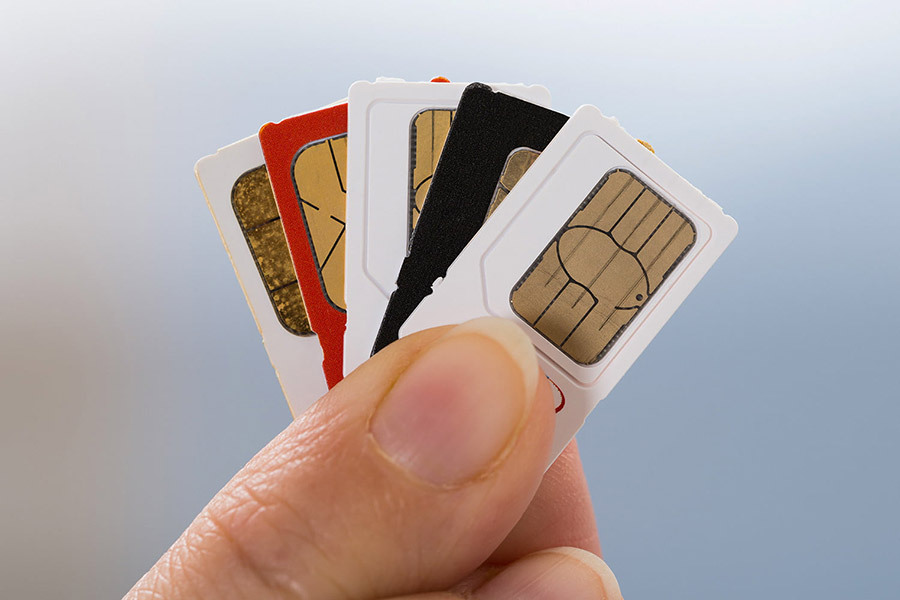

SIM Cards: The Unsung Hero of Mobile ConnectivitySIM Cards: The Unsung Hero of Mobile Connectivity

In a world dominated by smartphones, tablets, and wearables, one component quietly ensures that these devices stay connected and functional across the globe: the SIM card (Subscriber Identity Module). While we may rarely think about this small, often overlooked chip, the SIM card plays a crucial role in making modern mobile communication possible.

In this article, we’ll dive into the fascinating world of SIM cards, their function, how they work, and how they continue to evolve in the ever-changing world of mobile technology.

What Exactly is a SIM Card?

At its core, a SIM card is a small, removable chip that is inserted into mobile phones and other devices to provide them with access to a cellular network. It holds important information that identifies the user to the mobile carrier’s network, allowing the device to make calls, send messages, and access data services.

The SIM card holds essential information such as:

  • Subscriber information: This includes your phone number, account information, and network-specific data that links you to your carrier.
  • Authentication data: The SIM card stores encryption keys to authenticate your device on the network.
  • Network data: It helps your device connect to the proper mobile network, including enabling you to access voice, text, and data services.

In short, the SIM card is the digital passport that lets your mobile device communicate with your network and stay connected to the rest of the world.

A Journey Through the Evolution of SIM Cards

The SIM card has come a long way since its inception. Introduced in the early 1990s with the GSM (Global System for Mobile Communications) network, SIM cards initially served as a way to identify and authenticate users, enabling them to securely access mobile services. At first, SIM cards were bulky and large in size, but as mobile phones became smaller and more powerful, SIM cards followed suit and evolved.

Here’s a brief look at the evolution of SIM cards:

  1. Standard SIM: The original SIM card, measuring 25mm x 15mm, was the first iteration. It was relatively large compared to today’s standards and used primarily in early mobile phones. These larger SIM cards allowed for easy swapping and upgrading between devices.

  2. Micro SIM: As mobile devices began shrinking, the need for smaller SIM cards became apparent. The micro SIM was introduced and measured 15mm x 12mm. This size became popular with many smartphones as the market moved toward sleeker, more compact devices.

  3. Nano SIM: The nano SIM measures just 12.3mm x 8.8mm and is the smallest SIM card available today. The compact nature of the nano SIM makes it the standard for most modern smartphones, allowing manufacturers to design ultra-thin devices while maintaining connectivity.

  4. eSIM: The latest innovation in SIM card technology is the eSIM, an embedded SIM card that is permanently integrated into a device’s hardware. This new technology allows users to switch networks and activate plans remotely, eliminating the need for a physical SIM card altogether. The eSIM is expected to become the standard for future smartphones, wearables, and other connected devices.

How SIM Cards Work

SIM cards are responsible for ensuring that mobile devices can connect to cellular networks, and their inner workings are quite sophisticated. Here’s how a SIM card facilitates communication:

  1. Identification and Authentication: When you insert your SIM card into a phone and turn it on, your device sends a signal to the mobile network. The SIM card contains a unique identifier called the IMSI (International Mobile Subscriber Identity). The network checks this identifier and verifies whether you are authorized to use the services.

  2. Connection to Network: Once the SIM card is authenticated, it allows the device to connect to the network. It enables the phone to make voice calls, send text messages, and access mobile data by communicating with nearby base stations (cell towers). The SIM card essentially acts as a bridge between your phone and the carrier's network infrastructure.

  3. Security and Encryption: SIM cards are equipped with encryption technology that ensures the privacy and security of communications. They store encryption keys that prevent unauthorized parties from intercepting or tampering with calls, text messages, or data transmissions.

  4. Roaming: Another key feature of SIM cards is roaming, which allows users to stay connected when traveling internationally. By swapping out your SIM card with a local one, you can access more affordable data and voice services in foreign countries, ensuring that your device remains connected to the internet and your contacts.

The Benefits of SIM Cards

Despite their small size, SIM cards offer a range of benefits that have made them indispensable to modern communication. Here are some of the key advantages:

  1. Flexibility: One of the primary benefits of SIM cards is their portability. By simply swapping out your SIM card, you can move your phone number, contacts, and plan to a new device. This makes upgrading your phone or using a backup device a hassle-free experience. Additionally, SIM cards allow users to easily change carriers or switch between plans as needed.

  2. Global Accessibility: SIM cards facilitate global connectivity. When traveling abroad, you can easily replace your home SIM card with a local one to enjoy more affordable roaming rates. This eliminates the need to rely on expensive international roaming charges while ensuring you stay connected in different countries.

  3. Dual SIM Capability: Many modern smartphones support dual SIM functionality, allowing users to insert two 中國上網卡 s into the same device. This is ideal for people who want to keep personal and work numbers separate, or for frequent travelers who wish to maintain both a local and home-based mobile number.

  4. Enhanced Security: SIM cards are designed to keep your data secure. They use encryption to protect communication between your phone and the network, ensuring that private information is not intercepted. In addition, if your phone is lost or stolen, the PIN code feature on your SIM card prevents unauthorized access.

The Rise of eSIM and What It Means for the Future

The future of SIM cards is changing with the introduction of eSIM technology. Unlike traditional SIM cards, eSIMs are embedded directly into a device, meaning there’s no need for a physical card to be inserted or swapped out. This has a range of benefits:

  • Remote Activation: eSIMs allow users to activate and switch between mobile plans digitally, without the need for a physical SIM card. This feature makes it easier for users to switch carriers or activate a new plan, especially when traveling abroad.
  • Space Efficiency: Since eSIMs don’t require a physical slot, device manufacturers can save space in their designs, leading to more compact, slim devices.
  • Multiple Profiles: eSIMs allow users to store multiple carrier profiles on a single device. This is particularly useful for people who travel frequently and need to switch between different carrier networks in various countries.

As more devices, including smartphones, tablets, wearables, and IoT devices, adopt eSIM technology, the traditional SIM card may eventually become obsolete. However, eSIMs still have some challenges to overcome in terms of widespread adoption, such as compatibility issues and the need for carrier support.

Conclusion

While the SIM card may seem like a small, inconspicuous piece of technology, it has a profound impact on how we connect with the world. From providing secure access to cellular networks to enabling seamless communication across the globe, SIM cards are the unsung heroes of mobile connectivity.

With the rise of eSIM technology and advancements in mobile communication, the role of SIM cards will continue to evolve, but their core purpose remains the same: to enable secure, reliable, and flexible communication. As technology advances, the humble SIM card will undoubtedly continue to play a vital role in keeping us connected in an increasingly digital world.

Medical Beauty: The Intersection of Science and AestheticsMedical Beauty: The Intersection of Science and Aesthetics

The world of beauty is evolving rapidly, with an increasing number of individuals turning to medical beauty to enhance their appearance. Gone are the days when cosmetic surgery was the only option for those seeking to reverse the signs of aging or improve their appearance. Now, thanks to advancements in medical technology, a growing number of non-invasive and minimally invasive treatments are available to help individuals look and feel their best. This phenomenon, known as medical beauty, has become a cornerstone of the wellness and beauty industries, offering innovative solutions that are both effective and accessible.

In this article, we’ll explore what medical beauty is, how it has transformed the aesthetic landscape, the most popular treatments, and the key benefits driving its rising popularity.

What Is Medical Beauty?

Medical beauty, or aesthetic medicine, combines the precision and expertise of medical professionals with the art of cosmetic enhancement. It refers to a range of non-surgical treatments designed to improve or enhance a person’s appearance by addressing concerns such as wrinkles, skin texture, volume loss, body shape, and even hair loss. The key difference between medical beauty and traditional beauty treatments (such as facials or makeup) is the use of advanced technology and medical-grade products, often administered by dermatologists, cosmetic surgeons, or other trained specialists.

This type of beauty treatment is typically less invasive than traditional cosmetic surgery, making it an appealing choice for those looking for a more affordable, safer, and less risky way to enhance their appearance. The procedures are often quick, with little to no downtime, and offer natural-looking results that don’t drastically alter a person’s features.

The Popularity of Medical Beauty

Medical beauty treatments have gained immense popularity for several reasons. This surge in interest can be attributed to the growing desire for self-care, technological advancements, and a shift toward more natural-looking results. Here’s why so many individuals are choosing hifu treatments over traditional options:

1. Non-Invasive Solutions

Medical beauty procedures are designed to be non-invasive or minimally invasive, meaning that individuals don’t have to undergo the risks, recovery times, and scars associated with traditional cosmetic surgery. For instance, Botox injections or dermal fillers can be performed in under an hour with no downtime, allowing patients to return to their regular activities right away.

2. Natural-Looking Results

One of the primary goals of medical beauty is to provide results that enhance natural features rather than create an artificial or "overdone" appearance. Procedures like Botox, dermal fillers, and laser treatments work to improve skin tone, texture, and facial volume in subtle ways, leading to a more youthful and refreshed look.

3. Personalized Treatment Plans

Every individual is unique, and so are their aesthetic goals. Medical beauty professionals often create tailored treatment plans based on each person's specific needs and concerns. This personalized approach ensures that the results are not only effective but also align with the client’s preferences and facial structure.

4. Long-Lasting Effects

While traditional beauty treatments like facials or makeup offer temporary effects, many medical beauty procedures provide long-lasting results. For example, Botox injections can last 3-6 months, while dermal fillers can offer improvements for up to 18 months. Non-surgical fat reduction treatments can result in permanent fat loss when combined with a healthy lifestyle.

Common Medical Beauty Treatments

There are a variety of procedures within the medical beauty realm, each targeting different aesthetic concerns. Some of the most popular treatments include:

1. Botox and Neurotoxin Injections

Botox is a neuromodulator that temporarily paralyzes the muscles responsible for creating wrinkles. It is most commonly used to smooth out fine lines on the forehead, around the eyes (crow's feet), and between the eyebrows (frown lines). Botox works by blocking signals from the nerves to the muscles, preventing them from contracting and forming wrinkles. Results typically last for 3-6 months.

Other neuromodulators, such as Dysport, Xeomin, and Jeuveau, work similarly to Botox and are used to reduce wrinkles and fine lines in targeted areas.

2. Dermal Fillers

Dermal fillers are injectable treatments that restore volume to the face and smooth out wrinkles. As we age, our skin loses collagen and fat, which can lead to sagging or hollowed areas on the face. Fillers such as hyaluronic acid (Restylane, Juvederm) or calcium hydroxylapatite (Radiesse) can be used to plump the cheeks, fill under-eye hollows, enhance lip volume, and soften nasolabial folds (the lines running from the nose to the corners of the mouth).

The results from dermal fillers are immediate and can last anywhere from six months to two years, depending on the type of filler used.

3. Laser Skin Treatments

Laser treatments have become one of the most versatile tools in the medical beauty arsenal. They can address a variety of skin concerns, including wrinkles, pigmentation issues, acne scars, and sun damage. Popular laser treatments include:

  • Fractional Laser Resurfacing: This treatment creates microscopic channels in the skin to stimulate collagen production and reduce wrinkles, scars, and pigmentation.
  • Laser Hair Removal: An efficient solution for permanent hair reduction, laser hair removal targets hair follicles, preventing future hair growth.
  • Intense Pulsed Light (IPL): This non-laser light treatment is used to target sun spots, acne, and redness, giving skin a clearer, more even tone.

4. Chemical Peels

Chemical peels involve the application of a chemical solution to the skin, which exfoliates the outermost layers of the skin, promoting cell turnover. Depending on the strength of the peel, it can be used to treat a range of skin concerns, from mild acne to severe sun damage or hyperpigmentation. Superficial peels have little downtime, while deeper peels may require more recovery time.

5. Microneedling

Microneedling is a procedure that uses tiny needles to create controlled micro-injuries in the skin. This stimulates collagen and elastin production, leading to smoother, firmer skin. Microneedling can be used to improve the appearance of fine lines, acne scars, stretch marks, and overall skin texture. For enhanced results, it can be combined with platelet-rich plasma (PRP), which uses your own blood to boost collagen and skin regeneration.

6. Non-Surgical Body Contouring

Non-invasive fat reduction treatments such as CoolSculpting and SculpSure have revolutionized body contouring. These treatments use controlled cooling or heat to target and destroy fat cells, which are then naturally eliminated by the body over time. These treatments are perfect for individuals who struggle with stubborn fat pockets in areas such as the abdomen, thighs, or flanks.

Benefits of Medical Beauty

The rise of medical beauty can be attributed to the numerous benefits it offers:

1. Less Risk, More Reward

Medical beauty treatments are significantly less invasive than traditional cosmetic surgery, meaning there’s less risk involved. When performed by a licensed and trained professional, the risks are minimal, and the results are often more natural-looking.

2. Quick Results and Minimal Downtime

Many medical beauty procedures take little time and have minimal downtime. For instance, a Botox treatment can be completed in under 30 minutes, and clients can return to their regular activities right after. Laser treatments and chemical peels might require a few days of recovery, but they still involve far less downtime than surgery.

3. Long-Term Results

Many non-invasive medical beauty treatments offer long-lasting results, which makes them more cost-effective over time. While the effects aren’t permanent, they can last for months to years, depending on the procedure.

4. Improved Confidence

The ultimate goal of medical beauty is to help individuals feel better about themselves. Whether it's smoothing out wrinkles, restoring volume to the face, or sculpting the body, medical beauty offers a path to enhance self-esteem and confidence.

The Future of Medical Beauty

As technology advances, the field of medical beauty will continue to grow. From more precise laser treatments to the development of personalized skincare solutions using AI, the future of medical beauty holds exciting possibilities. There is also an increasing trend towards holistic approaches that incorporate both external treatments and internal wellness, such as nutrition and stress management, to achieve the best aesthetic results.

Conclusion

Medical beauty is changing the way we think about aesthetics, offering innovative solutions that combine science, technology, and artistry to help people feel their best. Whether it’s wrinkle reduction, skin rejuvenation, or body contouring, medical beauty procedures provide a safe, effective, and minimally invasive way to achieve natural-looking, lasting results. As the demand for non-surgical aesthetic treatments continues to rise, medical beauty will remain at the forefront of the beauty and wellness industries, helping people enhance their natural beauty with precision and care.

The Exhilaration Of Playacting At An Online Gambling CasinoThe Exhilaration Of Playacting At An Online Gambling Casino

The worldly concern of engineering has brought about many changes in our lives and one of them is the way we gamble. With the rise of online casinos, gamblers can now their favorite casino games from the solace of their own home. The convenience and amusement value offered by these online casinos have made them a popular pick among players. In this article, we will explore the earth of online casinos and why they have become the go-to terminus for players all over the world. Winland168.

One of the main advantages of online casinos is the wide variety show of games they offer. From casino games like blackmail, roulette, and baccarat, to more modern games like slots and video stove poker, there is something for everyone. These games come in different variations and themes, ensuring that players will never get bored. The best part is that players can get at these games anytime and anywhere, as long as they have an cyberspace .

Another attractive boast of online casinos is the bonuses and promotions they volunteer. New players are welcomed with generous sign-up bonuses, while present players can , hebdomadally, and each month promotions. These bonuses not only give players more chances to win, but they also add to the overall exhilaration of performin at an online gambling casino.

Furthermore, online casinos volunteer a tear down of privacy and security that is unmatched by traditional casinos. Players no thirster have to deal with packed and colorful environments, making it easier for them to focalize on their game. With high-tech encoding applied science, players can also rest assured that their personal and business enterprise selective information is safe and procure.

One of the biggest advantages of online casinos is the option to play for free. Many online casinos offer players the to play their games for free, without having to make any deposits. This is a of import way for players to test out new games or practise their skills before acting with real money. It also allows players to try out different online casinos and find the one that best suits their needs.

In summation to the various games, bonuses, and secrecy, online casinos also volunteer unpaired . With no need to trip to a natural science gambling casino, players can save time and money. They can also play at their own pace without tactile sensation pressured by other players or the dealer. Additionally, online casinos are available 24 7, so players can their front-runner games at any time, whether it’s early in the morning time or late at Night.

Lastly, online casinos supply a dismantle of client subscribe that is on par with orthodox casinos. Most online casinos have 24 7 client subscribe through live chat, e-mail, or call up, ensuring that players can always get help with any issues or questions they may have. This level of support adds to the overall positive experience of performin at an online casino.

In conclusion, online casinos offer a thrilling and accessible play see that has made them a pop option among players. With a wide variety of games, attractive bonuses and promotions, privateness and surety, and unpaired and customer support, it’s no wonder that online casinos have become the preferable pick for gamblers. So if you harbor’t tried playacting at an online casino yet, now is the perfect time to give it a go and experience the exhilaration for yourself.

The Ultimate Guide to Stress-Free Moving: How to Navigate Your Relocation with EaseThe Ultimate Guide to Stress-Free Moving: How to Navigate Your Relocation with Ease

Moving to a new home is one of life’s major events—exciting, yet often stressful. Whether it’s a short-distance move or a cross-country relocation, the process can seem overwhelming. However, with proper planning and smart organization, you can make your move a smooth and stress-free experience. This guide will provide step-by-step advice to help you tackle every aspect of moving—from preparation to settling into your new home.

1. Start Early: The Key to a Successful Move

The secret to a stress-free move lies in the preparation. Starting early gives you time to handle unexpected challenges and keeps everything from feeling rushed. Aim to start planning at least two months before your moving date to ensure a smooth process.

  • Set a Moving Date: First things first—choose your moving date. If possible, avoid peak moving seasons like the summer months or holidays when moving companies are often booked up and rates are higher.

  • Create a Checklist: Break down your moving tasks into manageable chunks. Create a moving checklist with deadlines for tasks like hiring movers, securing packing materials, and transferring services like utilities and mail.

  • Budget for Moving Costs: Moving involves expenses that can quickly add up. Create a budget that accounts for moving truck rental, professional movers, packing materials, and any other incidentals. Don’t forget to factor in meals or temporary accommodations if you're traveling far.

2. Declutter Before You Pack: Simplify the Process

A move is the perfect opportunity to declutter your home and get rid of items you no longer need. The less stuff you have to move, the easier it will be to organize your belongings and save on packing costs.

  • Sort and Purge: Go through each room and decide what to keep, donate, sell, or toss. If it’s been sitting in storage or unused for months, it's probably time to part ways with it.

  • Sell Unwanted Items: Have a garage sale or sell items online through platforms like eBay, Craigslist, or Facebook Marketplace. This helps you clear space and can even generate extra cash for moving expenses.

  • Donate: If you have furniture, clothing, or household items in good condition, consider donating them to charity. Many organizations will pick up large items from your home, which can save you time and effort.

3. Packing Smart: Tips for an Efficient Move

Packing is often one of the most stressful aspects of moving, but with the right strategies, it doesn’t have to be. The key is to stay organized and take it step by step.

  • Gather Packing Supplies: Ensure you have all the necessary supplies—boxes, bubble wrap, packing paper, packing tape, and markers. If you’re reusing boxes, make sure they’re sturdy enough to handle your belongings.

  • Pack Early, but Gradually: Start packing non-essential items early—like books, artwork, and seasonal clothing—and pack room by room. Leave the things you use daily until the last few days before the move.

  • Label Boxes Clearly: Label each box with both its contents and the room it belongs to. This will save you time and frustration when you start unpacking. Consider using color-coded labels for each room to make the process even more organized.

  • Protect Fragile Items: Wrap fragile items in bubble wrap, towels, or blankets to prevent damage. If you’re packing breakables, make sure to mark the box as "fragile" so movers can handle it with care.

  • Use Your Clothes and Linens for Packing: Instead of using extra packing materials, utilize your clothes, towels, and bedding to cushion fragile items. This reduces the amount of packing material you need and makes packing more efficient.

4. Choosing the Right Moving Option: Professional Movers vs. DIY

The next step is deciding how you want to move. This will depend on factors like your budget, how far you’re moving, and how much you’re moving.

  • Hiring Professional Movers: If you have a lot of heavy furniture or delicate items, hiring professional movers can be a great option. Movers are trained to handle the heavy lifting, and they have the equipment and experience to transport your belongings safely. While this option can be costly, it saves time and reduces the stress of managing the move yourself.

  • DIY Move: For smaller moves or if you're on a budget, renting a 辦公室搬運 truck and handling the move yourself is a feasible choice. This can be labor-intensive, so it's best to have help from friends or family. Be prepared for the physical demands, including loading and unloading your items.

  • Hybrid Moving: If you’re not moving a large amount of items but still want professional help with heavy lifting, you might opt for a hybrid approach. Hire movers for the big furniture and do the smaller tasks yourself. Portable moving containers are also an option for this.

5. Moving Day: Stay Calm and Organized

Moving day can be chaotic, but with the right preparation, it can go smoothly. Whether you’re working with movers or moving everything yourself, there are a few strategies to keep things organized and stress-free.

  • Start Early: Begin your day early to avoid last-minute rushes. If you’ve hired movers, ensure they arrive on time and give them a clear idea of what needs to be loaded first.

  • Have a Moving Day Survival Kit: Pack a box or bag with essentials like snacks, drinks, toilet paper, phone chargers, medications, and important documents. This will help you stay comfortable and avoid scrambling for things during the chaos of the move.

  • Communicate with Your Movers: If you're using professional movers, give them specific instructions on what goes where in your new home. Make sure they know about fragile or valuable items that require special handling.

  • Take Care of Kids and Pets: If you have young children or pets, consider having someone else care for them during the move. This allows you to focus on the task at hand and reduces stress for everyone involved.

  • Final Walk-Through: Before leaving your old home, do a final walk-through to ensure you haven’t left anything behind. Check all rooms, closets, and storage spaces to make sure everything is packed.

6. Unpacking: Getting Settled into Your New Home

Once you've arrived at your new home, the unpacking process begins. The goal is to make your new space functional and comfortable while not overwhelming yourself with too many tasks at once.

  • Start with Essentials: Unpack the essentials first—like bedding, toiletries, and kitchen items. This way, you can settle into your new home without feeling like you’re living out of boxes.

  • Tackle One Room at a Time: Instead of trying to unpack everything all at once, focus on one room at a time. Begin with the most essential rooms (such as the kitchen and bathroom), and then work your way through the rest of the house.

  • Take Your Time with Décor: It’s tempting to rush the decoration process, but take your time in making decisions. Arrange furniture thoughtfully, and hang art or photos to make the space feel like home.

  • Stay Organized: As you unpack, organize items as you go. This will help prevent clutter from building up and make your new home feel more settled quickly.

7. Post-Move Tasks: Finishing Touches

Once the unpacking is done, there are still a few important steps to take to complete your move.

  • Update Your Address: Make sure to update your address with the post office, banks, insurance companies, and any subscriptions you receive. This ensures that all important mail is sent to your new home.

  • Set Up Utilities and Services: If you haven’t already, set up electricity, water, gas, and internet at your new place. Check that everything is working properly before you fully settle in.

  • Explore Your New Neighborhood: Take some time to explore your new surroundings. Locate nearby grocery stores, restaurants, parks, and other places of interest. Getting to know the area will help you feel more at home.

  • Meet Your Neighbors: Introducing yourself to your new neighbors is a great way to feel more connected and welcomed. You never know when you might need a helping hand or recommendation for a local service.

Conclusion

Moving doesn’t have to be an overwhelming experience. With the right mindset, organization, and planning, you can navigate the process with ease. Start early, declutter, pack efficiently, and choose the right moving method for your needs. On moving day, stay calm, and once you’ve settled into your new home, take the time to make it yours. With these tips, you’ll be well on your way to a smooth, stress-free move that sets the stage for a successful start in your new space. Happy moving!