
Maincoec Uncategorized The Mathematics of Luck: How Probability Shapes Our Understanding of Gambling and Winning

The Mathematics of Luck: How Probability Shapes Our Understanding of Gambling and Winning

Luck is often viewed as an unpredictable force, a mysterious factor that determines the outcomes of games, fortunes, and life’s twists and turns. Yet, at its core, luck can be understood through the lens of probability theory, a branch of mathematics that quantifies uncertainty and the likelihood of events happening. In the context of gambling, probability plays a fundamental role in shaping our understanding of winning and losing. By exploring the mathematics behind gambling, we gain deeper insights into the nature of luck and how it impacts our decisions in games of chance.

Understanding Probability in Gambling

At the heart of gambling is the idea of chance, which is governed by probability. Probability is the measure of the likelihood of an event occurring, expressed as a number between 0 and 1, where 0 means the event will never happen, and 1 means the event will always occur. In lgosuper , probability helps us calculate the chances of different outcomes, such as winning or losing a game, drawing a particular card, or landing on a specific number in a roulette wheel.

Take, for example, a simple game of rolling a fair six-sided die. Each face of the die has an equal chance of landing face up, meaning the probability of rolling any specific number, such as a 3, is 1 in 6, or approximately 16.67%. This is the foundation of understanding how probability dictates the likelihood of winning in many gambling scenarios.

The House Edge: How Casinos Use Probability to Their Advantage

Casinos and other gambling establishments are designed to ensure that the odds are always slightly in their favor. This is known as the "house edge," and it represents the mathematical advantage that the casino has over the player. In games like roulette, blackjack, and slot machines, the odds are carefully constructed to ensure that, over time, the casino will generate a profit.

For example, in a game of roulette, there are 38 spaces on an American roulette wheel (numbers 1 through 36, a 0, and a 00). If you place a bet on a single number, you have a 1 in 38 chance of winning. However, the payout for hitting a single number is 35 to 1, meaning that if you win, you receive 35 times your bet. This creates a disparity between the actual odds (1 in 38) and the payout odds (35 to 1), giving the casino a house edge of about 5.26%.

In essence, probability shapes the odds in favor of the house, ensuring that, while players may experience short-term wins, the long-term outcome is often skewed toward the casino’s profit.

The Gambler’s Fallacy: Misunderstanding Probability

One of the most common misconceptions about gambling is the gambler's fallacy, the belief that previous outcomes in a game of chance affect future events. This fallacy is rooted in misunderstanding the nature of independent events. For example, if a roulette wheel lands on red five times in a row, a gambler might believe that black is "due" to appear next, assuming that the wheel somehow "remembers" its past outcomes.

In reality, each spin of the roulette wheel is an independent event, and the probability of landing on red or black remains the same each time, regardless of the previous outcomes. The gambler’s fallacy arises from the misunderstanding of how probability works in random events, leading individuals to make irrational decisions based on flawed assumptions.

The Role of Variance and Volatility

In gambling, the concepts of variance and volatility also come into play, reflecting the fluctuations in outcomes that are possible even in games governed by probability. Variance refers to the spread of outcomes over time, while volatility describes the size of the fluctuations. High variance means that the potential for large wins or losses is greater, while low variance suggests more consistent, smaller outcomes.

For instance, slot machines typically have high volatility, meaning that while players may not win frequently, the payouts can be large when they do win. On the other hand, games like blackjack have relatively low volatility, as players can make strategic decisions to reduce the house edge and achieve more consistent results.

The Mathematics Behind Big Wins: Long-Term Expectations

While individual wins and losses in gambling may appear random, probability theory reveals that, in the long run, the expected value (EV) of a gamble can be calculated. The expected value is a measure of the average outcome per bet, factoring in both the probability of winning and the size of the potential payouts. If a game has a positive expected value, it means that, over time, players can expect to win. However, most gambling games are designed with a negative expected value, meaning players will, on average, lose money over time.

For example, in a lottery, the odds of winning the jackpot are astronomically low, making the expected value negative. Despite this, people continue to buy tickets, driven by the allure of a life-changing win. The excitement of a potential big win, combined with the human tendency to overestimate the likelihood of rare events, contributes to the persistent appeal of games of chance.

Conclusion

The mathematics of luck is far from random. Probability provides a systematic and predictable framework for understanding the outcomes of gambling and games of chance. By studying how probability shapes the odds, the house edge, and the long-term expectations of winning, we can gain a deeper appreciation for the role luck plays in our lives. Ultimately, while gambling may seem governed by fortune, it is the mathematics of probability that truly determines who wins and who loses.

Leave a Reply

Your email address will not be published. Required fields are marked *

Related Post

Joya9 Casino Licensing and Regulations ExplainedJoya9 Casino Licensing and Regulations Explained

Joya9 Casino operates under a legitimate gaming license, ensuring compliance with industry standards and legal requirements. A proper license indicates that the platform meets strict guidelines related to security, fairness, and responsible gambling. Players seeking a safe and reliable online gaming experience often prioritize casinos that are fully regulated and transparent about their operations.

The Importance of Licensing

Holding a valid gaming license is a crucial factor in determining the credibility of an online casino. Regulatory bodies impose strict rules to ensure that licensed platforms operate ethically and provide fair gaming conditions. These authorities oversee the casino’s operations, ensuring that players are protected from fraudulent activities and that all games adhere to fair play standards.

Fair Gaming and Transparency

Joya9 Casino utilizes a certified random number generator (RNG) to guarantee unbiased game outcomes. This system ensures that every spin, card shuffle, or bet result is random and cannot be manipulated. Independent testing agencies regularly audit the platform’s games to verify fairness and confirm that payout percentages align with industry standards. Transparent policies regarding game mechanics help build trust among players.

Security and Data Protection

Compliance with licensing regulations requires Joya9 Casino to implement advanced security measures. The platform uses Secure Socket Layer (SSL) encryption to safeguard user data and financial transactions. These protocols prevent unauthorized access, ensuring that personal and banking information remains confidential. Additionally, the casino enforces Know Your Customer (KYC) verification to prevent fraud and underage gambling.

Responsible Gambling Measures

A licensed casino is obligated to promote responsible gambling practices. Joya9 Casino provides tools to help players manage their gaming activities, including deposit limits, self-exclusion options, and reality checks. These features allow users to control their spending and prevent compulsive gambling behaviors. The platform also collaborates with responsible gaming organizations, offering resources and support for players who may need assistance.

Regulatory Oversight and Compliance

Joya9 Casino is subject to continuous monitoring by its licensing authority. This oversight ensures that the platform follows legal and ethical guidelines, providing players with a fair and secure gaming environment. If players encounter any disputes or issues, they have the right to report concerns to the relevant regulatory body for resolution. Compliance with these regulations strengthens the casino’s reputation and reliability.

강남가라오케 주말과 평일 가격 차이강남가라오케 주말과 평일 가격 차이

강남가라오케 주말과 평일 가격 차이

한국의 대표적인 번화가 중 하나인 강남은 다양한 즐길 거리와 먹거리로 유명하며, 특히 강남가라오케는 많은 사람들이 찾는 인기 장소입니다. 주말과 평일 모두 손님들로 붐비는 강남가라오케는 다양한 가격 정책을 적용하여 이용객들의 만족도를 높이고 있습니다. 이번 기사에서는 강남가라오케의 주말과 평일 가격 차이와 그에 따른 이용 팁, 그리고 합리적인 선택 방법에 대해 자세히 알아보겠습니다.

강남가라오케의 기본 가격 구조

강남가라오케는 일반적으로 평일과 주말에 가격 정책이 다르게 운영되는 경우가 많습니다. 평일에는 상대적으로 저렴한 가격으로 이용할 수 있어 직장인들이 퇴근 후 가볍게 노래를 즐기기에 적합합니다. 반면 주말에는 강남을 찾는 인파가 많아지고 수요가 증가하기 때문에 가격이 다소 상승하는 경향이 있습니다. 강남가라오케의 기본 요금은 시간당으로 책정되며, 룸 크기나 이용 인원, 서비스 옵션에 따라 세부 요금이 달라집니다. 평일에는 1시간에 약 23만원대, 주말에는 35만원대로 책정되는 곳이 많아 가격 차이가 뚜렷합니다.

주말 강남가라오케 가격 상승 이유

주말에는 강남가라오케의 가격이 올라가는 주요 이유 중 하나는 수요와 공급의 법칙 때문입니다. 많은 사람들이 주말에 휴식을 취하거나 친구, 동료들과 모임을 가지기 위해 강남가라오케를 찾으며, 이로 인해 예약이 빠르게 마감되고 인기가 높아집니다. 또한, 주말에는 특별 이벤트나 프로모션이 진행되기도 하지만, 기본 요금 자체가 평일 대비 높아질 수밖에 없습니다. 특히 금요일 저녁과 토요일 밤 시간대는 가격이 가장 높으며, 일부 인기 가라오케는 예약 없이는 이용이 어려운 경우도 많습니다 강남 가라오케 때문에 이용 전 예약 여부와 가격을 꼼꼼히 확인하는 것이 중요합니다.

평일 강남가라오케의 장점과 활용법

평일 강남가라오케는 가격 면에서 큰 장점을 가지고 있습니다. 주말에 비해 상대적으로 여유 있는 예약과 저렴한 요금 덕분에 직장인, 학생, 또는 소규모 모임이 선호하는 시간대입니다. 특히 평일 저녁 시간대에는 할인 이벤트나 1+1 프로모션을 진행하는 곳도 많아 경제적인 비용으로 노래를 즐길 수 있습니다. 또한 평일에는 비교적 조용한 분위기에서 여유롭게 가라오케를 즐길 수 있다는 점도 매력적입니다. 주말에 비해 대기 시간이 적고, 서비스의 질도 일정하게 유지되기 때문에 강남가라오케를 처음 이용하는 사람들에게도 추천할 만합니다.

강남가라오케 합리적인 이용 팁

강남가라오케를 합리적으로 이용하기 위해서는 주말과 평일 가격 차이를 이해하고 본인의 일정에 맞춰 예약하는 것이 중요합니다. 평일 저녁 시간대나 이른 저녁 시간에 방문하면 할인 혜택과 여유 있는 공간을 누릴 수 있습니다. 만약 주말에 가라오케를 이용하고 싶다면 사전에 미리 예약을 하고, 여러 가라오케 업체의 가격과 이벤트 정보를 비교해보는 것이 좋습니다. 또한, 강남가라오케에서는 1인 요금, 룸 대여 시간, 음료 및 안주 가격 등 부가 비용도 고려해야 하므로 전체 비용을 미리 계산해보는 것이 필요합니다. 요즘은 모바일 앱이나 온라인 예약 시스템을 통해 실시간 가격과 예약 상황을 확인할 수 있어 더욱 편리합니다.

SIM Cards: The Unsung Hero of Mobile ConnectivitySIM Cards: The Unsung Hero of Mobile Connectivity

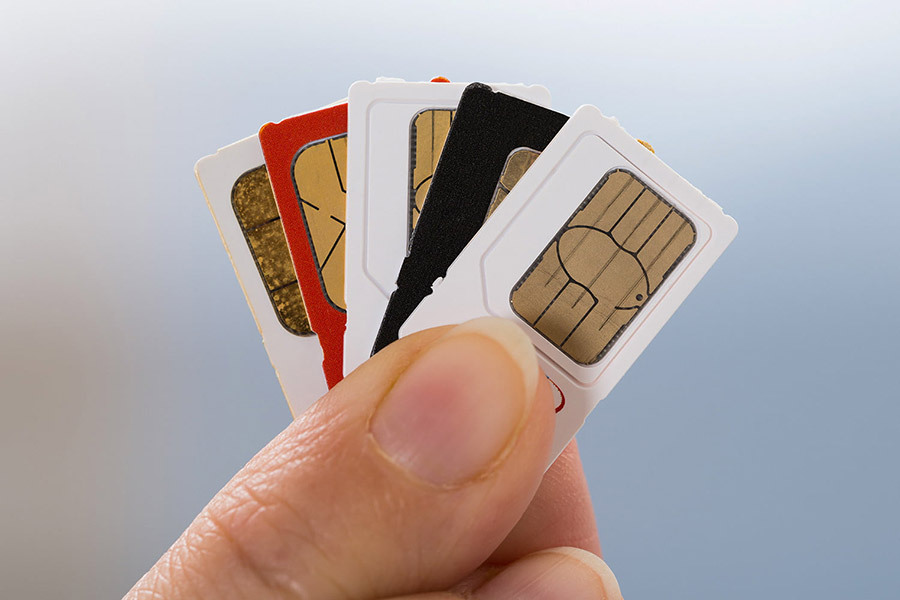
In a world dominated by smartphones, tablets, and wearables, one component quietly ensures that these devices stay connected and functional across the globe: the SIM card (Subscriber Identity Module). While we may rarely think about this small, often overlooked chip, the SIM card plays a crucial role in making modern mobile communication possible.

In this article, we’ll dive into the fascinating world of SIM cards, their function, how they work, and how they continue to evolve in the ever-changing world of mobile technology.

What Exactly is a SIM Card?

At its core, a SIM card is a small, removable chip that is inserted into mobile phones and other devices to provide them with access to a cellular network. It holds important information that identifies the user to the mobile carrier’s network, allowing the device to make calls, send messages, and access data services.

The SIM card holds essential information such as:

  • Subscriber information: This includes your phone number, account information, and network-specific data that links you to your carrier.
  • Authentication data: The SIM card stores encryption keys to authenticate your device on the network.
  • Network data: It helps your device connect to the proper mobile network, including enabling you to access voice, text, and data services.

In short, the SIM card is the digital passport that lets your mobile device communicate with your network and stay connected to the rest of the world.

A Journey Through the Evolution of SIM Cards

The SIM card has come a long way since its inception. Introduced in the early 1990s with the GSM (Global System for Mobile Communications) network, SIM cards initially served as a way to identify and authenticate users, enabling them to securely access mobile services. At first, SIM cards were bulky and large in size, but as mobile phones became smaller and more powerful, SIM cards followed suit and evolved.

Here’s a brief look at the evolution of SIM cards:

  1. Standard SIM: The original SIM card, measuring 25mm x 15mm, was the first iteration. It was relatively large compared to today’s standards and used primarily in early mobile phones. These larger SIM cards allowed for easy swapping and upgrading between devices.

  2. Micro SIM: As mobile devices began shrinking, the need for smaller SIM cards became apparent. The micro SIM was introduced and measured 15mm x 12mm. This size became popular with many smartphones as the market moved toward sleeker, more compact devices.

  3. Nano SIM: The nano SIM measures just 12.3mm x 8.8mm and is the smallest SIM card available today. The compact nature of the nano SIM makes it the standard for most modern smartphones, allowing manufacturers to design ultra-thin devices while maintaining connectivity.

  4. eSIM: The latest innovation in SIM card technology is the eSIM, an embedded SIM card that is permanently integrated into a device’s hardware. This new technology allows users to switch networks and activate plans remotely, eliminating the need for a physical SIM card altogether. The eSIM is expected to become the standard for future smartphones, wearables, and other connected devices.

How SIM Cards Work

SIM cards are responsible for ensuring that mobile devices can connect to cellular networks, and their inner workings are quite sophisticated. Here’s how a SIM card facilitates communication:

  1. Identification and Authentication: When you insert your SIM card into a phone and turn it on, your device sends a signal to the mobile network. The SIM card contains a unique identifier called the IMSI (International Mobile Subscriber Identity). The network checks this identifier and verifies whether you are authorized to use the services.

  2. Connection to Network: Once the SIM card is authenticated, it allows the device to connect to the network. It enables the phone to make voice calls, send text messages, and access mobile data by communicating with nearby base stations (cell towers). The SIM card essentially acts as a bridge between your phone and the carrier's network infrastructure.

  3. Security and Encryption: SIM cards are equipped with encryption technology that ensures the privacy and security of communications. They store encryption keys that prevent unauthorized parties from intercepting or tampering with calls, text messages, or data transmissions.

  4. Roaming: Another key feature of SIM cards is roaming, which allows users to stay connected when traveling internationally. By swapping out your SIM card with a local one, you can access more affordable data and voice services in foreign countries, ensuring that your device remains connected to the internet and your contacts.

The Benefits of SIM Cards

Despite their small size, SIM cards offer a range of benefits that have made them indispensable to modern communication. Here are some of the key advantages:

  1. Flexibility: One of the primary benefits of SIM cards is their portability. By simply swapping out your SIM card, you can move your phone number, contacts, and plan to a new device. This makes upgrading your phone or using a backup device a hassle-free experience. Additionally, SIM cards allow users to easily change carriers or switch between plans as needed.

  2. Global Accessibility: SIM cards facilitate global connectivity. When traveling abroad, you can easily replace your home SIM card with a local one to enjoy more affordable roaming rates. This eliminates the need to rely on expensive international roaming charges while ensuring you stay connected in different countries.

  3. Dual SIM Capability: Many modern smartphones support dual SIM functionality, allowing users to insert two 中國上網卡 s into the same device. This is ideal for people who want to keep personal and work numbers separate, or for frequent travelers who wish to maintain both a local and home-based mobile number.

  4. Enhanced Security: SIM cards are designed to keep your data secure. They use encryption to protect communication between your phone and the network, ensuring that private information is not intercepted. In addition, if your phone is lost or stolen, the PIN code feature on your SIM card prevents unauthorized access.

The Rise of eSIM and What It Means for the Future

The future of SIM cards is changing with the introduction of eSIM technology. Unlike traditional SIM cards, eSIMs are embedded directly into a device, meaning there’s no need for a physical card to be inserted or swapped out. This has a range of benefits:

  • Remote Activation: eSIMs allow users to activate and switch between mobile plans digitally, without the need for a physical SIM card. This feature makes it easier for users to switch carriers or activate a new plan, especially when traveling abroad.
  • Space Efficiency: Since eSIMs don’t require a physical slot, device manufacturers can save space in their designs, leading to more compact, slim devices.
  • Multiple Profiles: eSIMs allow users to store multiple carrier profiles on a single device. This is particularly useful for people who travel frequently and need to switch between different carrier networks in various countries.

As more devices, including smartphones, tablets, wearables, and IoT devices, adopt eSIM technology, the traditional SIM card may eventually become obsolete. However, eSIMs still have some challenges to overcome in terms of widespread adoption, such as compatibility issues and the need for carrier support.

Conclusion

While the SIM card may seem like a small, inconspicuous piece of technology, it has a profound impact on how we connect with the world. From providing secure access to cellular networks to enabling seamless communication across the globe, SIM cards are the unsung heroes of mobile connectivity.

With the rise of eSIM technology and advancements in mobile communication, the role of SIM cards will continue to evolve, but their core purpose remains the same: to enable secure, reliable, and flexible communication. As technology advances, the humble SIM card will undoubtedly continue to play a vital role in keeping us connected in an increasingly digital world.

High Stakes, Big Dreams: The Subjective Stories Of Those Who Gambled It AllHigh Stakes, Big Dreams: The Subjective Stories Of Those Who Gambled It All

In a earthly concern driven by risk and pay back, play has become a symbol of aspiration, , and hope for innumerous individuals. Whether it s the tempt of a casino jackpot, the uncertainness of the stock market, or the unpredictable twists of life s circumstances, people have always been drawn to the idea of placing everything on the line for a at something large. The stories of those who gamble it all be it money, repute, or relationships volunteer an insightful look into the man condition, our kinship with risk, and the high wager of following our dreams.

The Gambling World and Its High Stakes

For some, gaming is a mere hobby, an occasional vibrate of , but for others, it becomes an all-consuming wedge that shapes their lives. The pursuit of a big win, whether it be in salamander, sports indulgent, or even notional investments, draws people into a cycle of hope and despair. The potential for unusual wealth or the fear of destructive loss lies at the core of this earthly concern. It is a feeling rollercoaster, and the tempt of fame or luck is sometimes enough to drive individuals to make decisions they might otherwise keep off.

Take, for instance, the account of a professional person stove poker participant. To an outsider, sitting at a put over for hours, risking big sums of money on each hand, may seem like hydrophobia. But for populate like Chris Moneymaker, it s a dream accomplished. In 2003, Moneymaker a name that feels almost too perfect to be true won the World Series of Poker, turn a 39 online fee into a multi-million treasure. His victory changed the landscape painting of stove poker, inspiring millions to believe that anyone, anywhere, could win big if they were willing to take the risk. However, the life of a professional risk taker is not without its challenges. Many face the feeling and business toll of losing streaks, addiction, and tense relationships. Moneymaker s rise was meteoric, but it s also a admonisher of the fleeting nature of luck and how one win can shape and sometimes shatter a life.

The Emotional Toll of jimmy888 It All

Behind every high-stakes hazard lies a personal story of purpose and exposure. For some individuals, gaming represents a undertake to sweep over subjective struggles, whether that s business enterprise hardship, a lack of chance, or an overpowering desire to scat world. Some individuals dream of making a better life for themselves or their families, believing that one big win could change everything. However, for many, that dream is built on a flimsy foundation, one that s impressible to break under the slant of inevitable losings.

Consider the stories of those who invest their life savings in the stock commercialise, only to take in it all unravel. In the early on 2000s, the dot-com bubble attracted uncounted investors who gambled on the hereafter of net companies, only to be left impecunious when the ripple split. The account of these individuals many of whom sold homes, took out loans, or tired retreat funds is a will to the emotional toll that such high-risk gambles can take. The fiscal devastation they intimate was accompanied by feelings of dishonor, repent, and, for some, the touch sensation that their dreams had been destroyed in an instant.

Similarly, many individuals who take out big loans to start businesses often find themselves on the edge of business enterprise ruin when things don t go as put-up. Small stage business owners who run a risk everything on a single adventure can quickly go from dreamers to desperate. The touch on relationships, mental health, and long-term commercial enterprise stability can be unfathomed. While some entrepreneurs deliver the goods and achieve great wealth, many others face the unpleasant realities of failure, loss of subjective assets, and the collapse of their hopes and dreams.

The Desire for Control and the Reality of Fate

One of the most powerful aspects of play is the human desire to control one s fate. When we run a risk, we feel as though we are taking shoot down of our lot, even if the odds are well-stacked against us. The subjacent psychological science is : by risking it all, we convince ourselves that we can tip the scales in our favour. Yet, in world, the result is often out of our control, and fate can have a inhumane way of viewing us just how little we can determine.

Whether it s the risk taker placing all their chips on one hand or the enterpriser pushing all their savings into a new stage business idea, these decisions are motivated by a deep-seated want for achiever. The remainder between those who win big and those who lose it all often comes down to luck, timing, and context. The fear of loser can be paralyzing, but the hope of succeeder is a right incentive that drives individuals to take risks that can their lives.

Conclusion: The Price of the Dream

In the end, gaming it all is about more than just money; it s about the pursuance of dreams. For some, it s a way to prove their Charles Frederick Worth, to lam from mediocrity, or to make a mark on the worldly concern. For others, it s a last-ditch effort to salvage their futurity. The personal stories of those who take these high-stakes risks are as wide-ranging as the gambles themselves, but they all partake in a green theme: the persistent pursuit of something greater, even at the cost of everything else.

The personal toll of gaming it all is undisputable. While some will walk away from the postpone with their dreams fulfilled, others will face the heart-wrenching world of their choices. Regardless of the termination, the stories of those who hazard it all answer as a admonisher of the complexities of ambition, the volatility of fate, and the cost of chasing dreams in a worldly concern where winner and nonstarter are often distinct by the roll of a dice.

Keno Dreams And Midnight Schemes: A Deep Dive Into The Psychology Of Lottery PlayersKeno Dreams And Midnight Schemes: A Deep Dive Into The Psychology Of Lottery Players

The lottery has long been a source of enchantment, hope, and sometimes frustration for millions world-wide. Every week, myriad populate participate in the dream of hit the pot a unexpected transmutation from ordinary bicycle life to inconceivable wealthiness. But what drives this longing, and what science mechanisms fuel the unrelenting tempt of lottery acting? This article explores the complex psychological science behind lottery players, sloughing get off on the dreams, behaviors, and cognitive quirks that keep the drawing sensitive as a cultural phenomenon.

The Dream of Instant Wealth

At the heart of every drawing fine lies a powerful : the chance to run business grimness and unlock a life of ease and luxury. For many, the lottery represents a rare, concrete chance to transfer their fate nightlong. This taps deeply into man desires for security, exemption, and mixer position. The appeal is universal proposition because it offers a story that anyone regardless of play down can ascend to successfulness with a simple purchase.

This often manifests as what psychologists call emotive forecasting the trend to reckon and emotionally vest in futurity events that may never hap. Lottery players vividly envision their lives post-win: quitting jobs, travelling, buying homes, or portion wanted ones. These unhealthy simulations make strong emotional rewards even before the real final result is known, reinforcing the motive to play repeatedly.

The Illusion of Control and the Midnight Schemes

Despite the drawing being a pure game of chance, many players believe they can mold outcomes through various methods. From choosing prosperous numbers tied to birthdays or anniversaries, to studying past winning numbers, or buying tickets at specific times, these rituals make a false sense of control. Psychologists term this the illusion of control, a psychological feature bias where people overvalue their power to regard unselected events.

This illusion fuels what could be described as midnight schemes the late-night rituals and superstitions players develop to maximize their chances. These behaviors supply a psychological solace zone, portion players feel less weak to the noise of luck. Even though logically irrational number, these practices are wholesome and increase participation with the lottery see.

The Role of Hope and Optimism Bias

Lottery players are often defined by high levels of hope and optimism bias. Hope motivates them to focalise on potentiality positive outcomes despite low odds. Optimism bias leads them to believe they have a better of successful than others, skewing their sensing of risk and repay.

Studies have shown that drawing acting can activate the brain s repay centers likewise to habit-forming behaviors. The prevision of a win triggers dopamine unfreeze, a neurotransmitter linked to pleasure and motivation. This medical specialty response explains why the lottery can be so compelling, even when losses immensely outnumber wins.

Social and Economic Contexts

The psychological science of drawing performin is not stray from sociable and worldly factors. Research indicates that people from lour-income backgrounds are more likely to play lotteries. For some, the drawing symbolizes one of the few available paths to financial upliftment. In communities where worldly mobility feels express, the lottery becomes a radio beacon of possibleness, however unlikely.

Moreover, the mixer prospect of acting buying tickets in groups or share-out victorious dreams reinforces a collective hope and belonging. This community involvement further entrenches the demeanour, making it not just about subjective gain but shared see.

The Dark Side: Gambling Addiction and Emotional Toll

While many play responsibly, a subset of drawing players can prepare debatable gaming behaviors. The vibrate of near misses, the feeling highs of prevision, and the occasional small wins can make a cycle of chasing losses that leads to dependency. The emotional toll includes fiscal severeness, strain, and strained relationships.

Understanding the psychological drivers behind togel sgp performin is necessity for developing responsible gambling programs and offering subscribe to those at risk.

Conclusion: A Complex Blend of Hope, Bias, and Human Nature

Lottery playing is far more than a simpleton game of chance. It is profoundly embedded in human being psychological science, impelled by dreams of a better life, cognitive biases, and sociable realities. The patient appeal of the drawing lies in its ability to blend fantasy with ritual, hope with verify, and somebody desire with collective experience.

Recognizing these science dynamics helps illume why millions bear on to buy tickets week after week, balancing on the edge of hope and reality. In the interplay of bingo dreams and midnight schemes, we find a attractive mirror reflective fundamental aspects of man nature our need for hope, our struggle with uncertainness, and our endless call for for a brighter tomorrow.